管 理員

Paired Reading Part 1 – Opening the Door to Language Learning

You read with your child every evening — yet their language skills seem to progress slowly. Or they handle numbers well, but the moment a word problem appears, they are lost. The difference may not be how much you read, but how you read together.
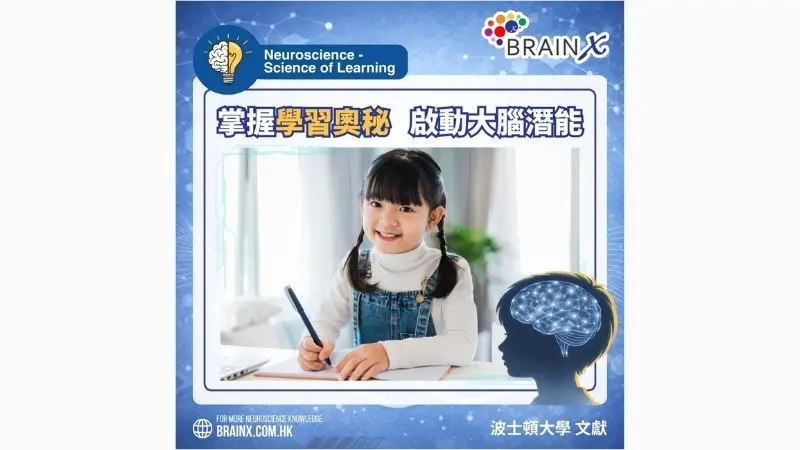

Unlocking the Brain’s Potential for LearningUnlocking the Brain’s Potential for Learning

Your child may be putting in the hours — but if the brain’s foundational needs aren’t met first, even the hardest work can feel like it goes nowhere. Here’s what parents need to know about how the brain actually prioritises learning.

Understanding Your Child’s Attention Profile – Discovering Their Unique Learning Rhythm

Every child’s brain develops at its own pace, and attention looks different in every child. Understanding your child’s unique attention profile is the first step towards finding an approach that truly works for them.

Building a Sense of Purpose – Nurturing Lifelong Learners

When children lose sight of why they are studying, the problem is rarely a lack of effort — it is a lack of direction. Discover how helping your child build a sense of purpose can transform their approach to learning, and what parents can do to support them along the way.

Setting Goals Together – Building Independence and Self-Directed Learning

As children move into upper primary, mounting pressures — heavier workloads, assessment stress, and early adolescent emotions — can quickly drain their motivation to learn. Find out how helping your child set their own goals can make all the difference.

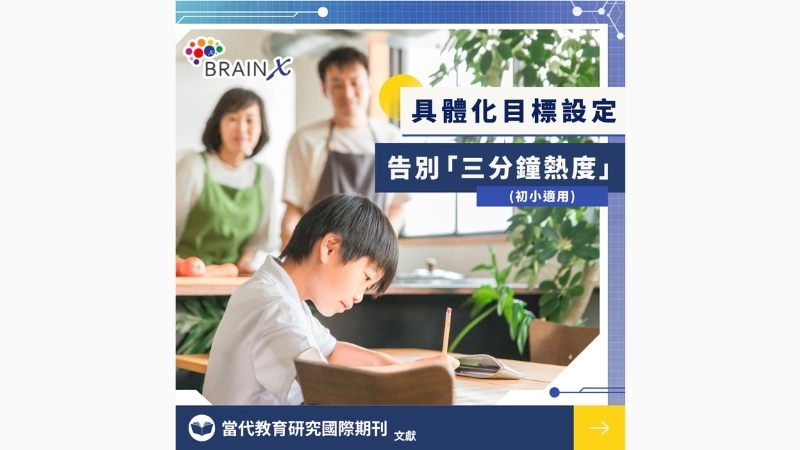
Turning Goals into Action – Moving Beyond the Quick-Quit Habit

Many parents find that goals set at the start of a new term fade within days. The problem is rarely a lack of commitment — it is a lack of specificity. Here is how concrete, well-structured goals can help young children stay on track.

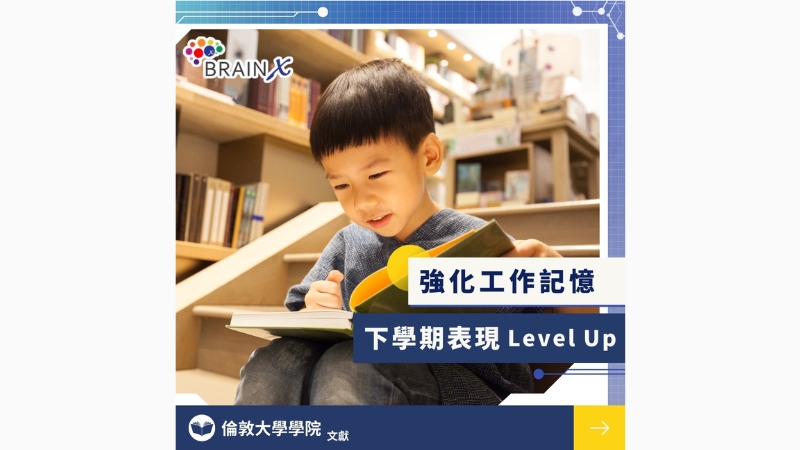
Strengthening Working Memory – Levelling Up Academic Performance

As the new term brings deeper and more demanding content, the ability to hold, process, and apply information in the moment becomes more important than ever. Here is what parents need to know about working memory — and how to help strengthen it.

Selective Attention – Your Child’s Brain Filter

In a world of constant notifications, screens, and stimulation, the ability to focus on what matters — and filter out what doesn’t — has never been more important. Here is what selective attention is, why it shapes far more than academic results, and what parents can do to help.

Strengthening Executive Function – How the Right Activities Help Children Achieve More

Many parents worry that extracurricular activities take time away from studying. Research suggests the opposite may be true. Here is what the science says about how the right kind of activity can strengthen the very cognitive skills that drive academic performance.

Strengthening Executive Function – Helping Children Perform to Their Potential

A bright child who underperforms. A quick thinker who always seems to fall behind. Often, the missing piece is not ability — it is executive function. Here is what it is, why it matters, and how parents can help.

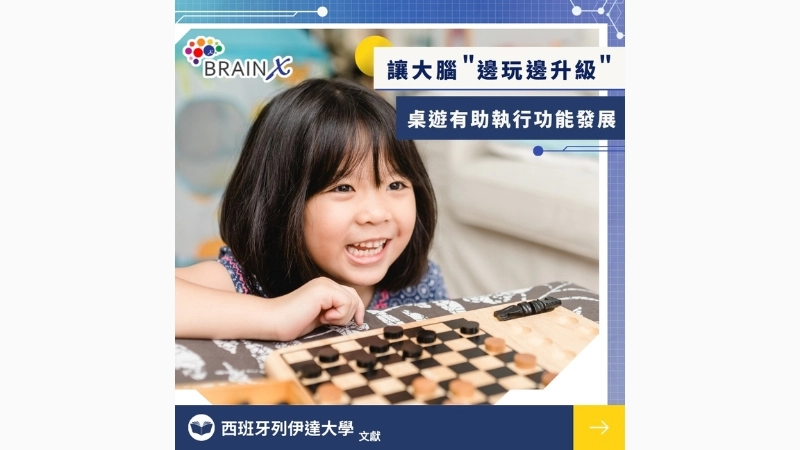
Board Games and Brain Development – Learning While Playing

As screens become an unavoidable part of daily life, many parents are looking for ways to give their child’s brain a genuine workout without adding more study time. Board games, it turns out, may be one of the most effective tools available — and the research behind them is more compelling than most parents realise.

Brain Empowerment: Empowering Minds, Strengthening Families — Programme Video Introduction

The year-long charitable initiative provides evidence-based support for primary school students in Primary 3 to Primary 6 diagnosed with ADHD and their parents, with a focus on low-income families. By integrating neurocognitive technology and non-pharmacological interventions, it aims to strengthen children’s attention, emotional regulation, and executive functioning, while improving family relationships.